
Have you ever woken up in the morning feeling tired, even after a full night’s sleep? Do you often feel weak, lack energy during the day, or struggle to concentrate on your daily activities?
You are not alone. Persistent tiredness is a common problem that affects people of all ages. While occasional tiredness may result from a busy schedule or physical exertion, feeling exhausted most of the time could be a sign that something needs attention.
Fatigue is more than ordinary sleepiness. It may affect your physical strength, mental alertness, motivation, and ability to carry out everyday activities.
Here are 10 possible reasons why you may feel tired all the time and what you can do about them.
1. Poor Sleep Quality or Insufficient Sleep

Sleep gives your body and brain time to rest, recover, and prepare for the next day. When you consistently sleep for too few hours or experience interrupted sleep, you may wake up feeling exhausted.
Common causes include:
- Staying up late or using electronic devices before bedtime.
- Working night shifts or having an irregular sleep schedule.
- Noise, stress, or an uncomfortable sleeping environment.
- Sleep disorders such as obstructive sleep apnoea.
What you can do: Most adults need approximately 7–9 hours of sleep each night. Maintain a regular bedtime, reduce screen use before sleeping, and seek medical advice if you snore loudly, gasp during sleep, or remain excessively sleepy during the day.
2. Anaemia (Low Haemoglobin)
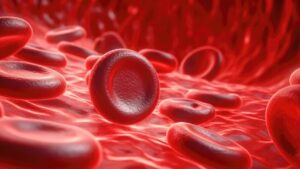
Anaemia occurs when your blood cannot carry enough oxygen to meet your body’s needs, often because of low haemoglobin. Iron deficiency is a common cause, although other conditions can also lead to anaemia.
Possible symptoms include:
- Persistent tiredness and weakness.
- Dizziness or headaches.
- Pale skin or the inner eyelids.
- Shortness of breath during physical activity.
- A fast or pounding heartbeat.
Anaemia may result from heavy menstrual bleeding, pregnancy, inadequate dietary iron, blood loss, or certain chronic illnesses.
What you can do: Visit a health facility for assessment and, when indicated, a full blood count and iron studies. Do not assume that all tiredness is caused by iron deficiency or start iron supplements without appropriate advice.
3. Dehydration

Your body needs sufficient water to regulate temperature, maintain circulation, and support normal organ function. Losing more fluid than you take in can contribute to fatigue, headaches, dizziness, and reduced concentration.
Dehydration may occur due to hot weather, strenuous exercise, fever, vomiting, or diarrhoea.
What you can do: Drink water regularly throughout the day, especially during hot weather or physical activity. If you have vomiting or diarrhoea, oral rehydration solution may be necessary. People with certain heart or kidney conditions should follow their clinician’s fluid advice.
4. Poor Nutrition and Skipping Meals

Your body needs adequate energy, protein, vitamins, and minerals to function properly. Frequently skipping meals or eating a diet lacking essential nutrients can contribute to tiredness and weakness.
Nutritional deficiencies involving iron, vitamin B12, or folate may also cause fatigue. However, taking supplements without identifying a deficiency may not solve the problem.
What you can do: Eat balanced meals that include vegetables, fruits, whole grains, protein sources such as beans, eggs, fish or meat, and healthy fats. Include iron-rich foods such as beans, leafy green vegetables, and meat where available.
5. Chronic Stress, Anxiety, or Depression

Mental and emotional health can significantly affect physical energy. Persistent stress may interfere with sleep, increase muscle tension, and leave you feeling mentally and physically drained.
Anxiety can make it difficult to relax, while depression may cause low energy, reduced motivation, changes in appetite, and disturbed sleep.
Look out for:
- Persistent sadness or excessive worry.
- Loss of interest in activities you previously enjoyed.
- Difficulty concentrating.
- Changes in sleeping or eating habits.
- Feeling overwhelmed or emotionally exhausted.
What you can do: Make time for rest, physical activity, supportive relationships, and relaxation. If these symptoms persist or interfere with daily life, seek professional help. Mental health conditions are treatable, and seeking help is a sign of strength.
6. Diabetes and High Blood Sugar

Diabetes can cause tiredness when blood glucose levels remain too high or when the body cannot use glucose effectively. Dehydration and other complications may contribute to the fatigue.
Other possible warning signs include:
- Frequent urination.
- Increased thirst.
- Unexplained weight loss.
- Blurred vision.
- Slow-healing wounds.
Some people with diabetes experience few noticeable symptoms, particularly in the early stages.
What you can do: If you have persistent fatigue, especially alongside increased thirst or frequent urination, visit a health facility for blood glucose testing. Early diagnosis and proper management can help prevent complications.
7. Thyroid Disorders

The thyroid gland produces hormones that regulate metabolism and influence how your body uses energy.
An underactive thyroid, known as hypothyroidism, can cause fatigue, increased sensitivity to cold, constipation, dry skin, and unexplained weight gain.
An overactive thyroid can also cause tiredness, sometimes accompanied by a racing heartbeat, sweating, tremors, or unexplained weight loss.
What you can do: A healthcare professional may recommend thyroid function tests, such as thyroid-stimulating hormone (TSH), depending on your symptoms and examination. Treatment depends on the underlying disorder.
8. Infections and Other Medical Conditions

Your body uses energy to fight infections and recover from illness. Fatigue may occur during or after infections, sometimes continuing for a period after other symptoms improve.
Conditions that may contribute to persistent tiredness include:
- Malaria and other infections.
- Tuberculosis, particularly when accompanied by a persistent cough, fever, or weight loss.
- HIV and other chronic infections.
- Kidney or liver disease.
- Heart or lung conditions.
The likelihood of each condition depends on your symptoms, medical history, and possible exposures.
What you can do: Seek medical assessment if tiredness persists, recurs frequently, or occurs alongside fever, unexplained weight loss, night sweats, persistent cough, or other concerning symptoms. Testing should be guided by your clinical assessment rather than assuming a particular infection.
9. Certain Medicines and Substances

Some medicines can cause tiredness, drowsiness, or reduced alertness as side effects.
Examples include:
- Certain antihistamines used for allergies.
- Sleeping tablets and sedatives.
- Some medicines for anxiety or depression.
- Certain blood pressure medicines.
- Alcohol and other sedating substances.
The effect varies from person to person and depends on the specific medicine, dose, and other health factors.
What you can do: Review your medicines with a healthcare professional if you notice new or worsening fatigue after starting treatment or changing a dose. Do not stop prescribed medicines without medical advice.
10. Overwork, Physical Inactivity, or Excessive Exercise

Both too little physical activity and excessive exertion can contribute to fatigue.
A sedentary lifestyle may reduce physical fitness, making ordinary activities feel more tiring. On the other hand, intense exercise without sufficient rest, sleep, or nutrition can lead to prolonged exhaustion.
Long working hours, demanding responsibilities, and inadequate recovery time can also leave you feeling constantly drained.
What you can do: Aim for regular, moderate physical activity and increase your activity gradually. Take breaks, eat adequately, and allow your body time to recover. If exercise causes unusual breathlessness, chest pain, dizziness, or extreme fatigue, seek medical assessment.
When Should You See a Healthcare Professional?
Occasional tiredness after a busy day is usually not a cause for concern. However, persistent fatigue should not be ignored.
Consider visiting a health facility if:
- You feel tired most days without an obvious explanation.
- Your fatigue continues for several weeks or affects your normal activities.
- You experience unexplained weight loss, recurrent fever, or night sweats.
- You have persistent dizziness, palpitations, or shortness of breath.
- You wake up tired despite getting adequate sleep.
Seek urgent medical attention if fatigue occurs with chest pain, severe difficulty breathing, fainting, new confusion, or significant bleeding.
A healthcare professional may assess your sleep, diet, medicines, mental health, and medical history. Depending on the findings, investigations may include a full blood count, blood glucose testing, thyroid function tests, or other targeted tests.
There is no single test that identifies every cause of fatigue, so proper assessment is important.
Five Simple Habits to Support Your Energy Levels
You can start by making a few practical changes:
- Prioritise sleep: Maintain a regular sleep schedule and aim for adequate rest.
- Eat balanced meals: Include a variety of nutritious foods and avoid regularly skipping meals.
- Stay hydrated: Drink enough fluids according to your needs and medical advice.
- Move regularly: Incorporate appropriate physical activity into your daily routine.
- Manage stress: Make time for relaxation, social support, and activities that promote emotional well-being.
These habits can help, but they should not replace medical assessment when fatigue is persistent or unexplained.
Note:
Feeling tired all the time is not always a sign of a serious illness, but it should not automatically be blamed on a busy lifestyle. Poor sleep, anaemia, dehydration, nutritional deficiencies, stress, diabetes, thyroid disorders, infections, medicines, and lifestyle factors can all contribute.
The most important step is to identify the underlying cause rather than simply relying on energy drinks, caffeine, or supplements to keep going.
Listen to your body. Persistent fatigue deserves attention, and early assessment can help you receive the right care.